
How Home Care Digital Documentation Improves Efficiency
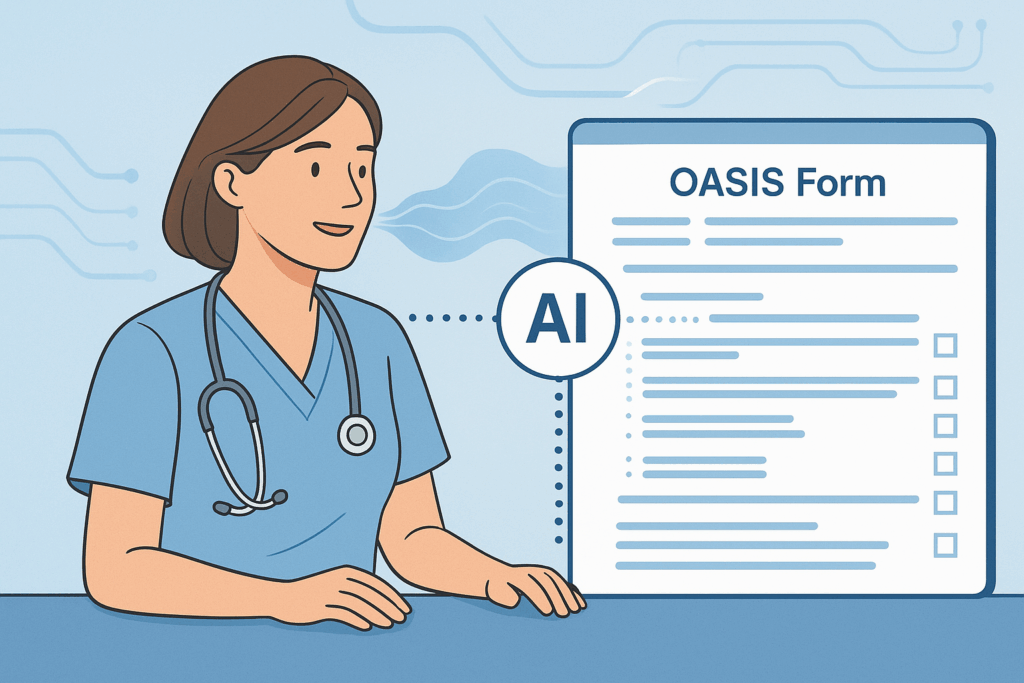
Home Care digital documentation is transforming the home healthcare industry. It streamlines processes and enhances efficiency in patient care. Gone are the days of cumbersome paperwork. Digital tools now offer a seamless way to record and access patient information.
Electronic Health Records (EHR’s) play a crucial role. They provide a centralized platform for storing and sharing patient data. Home care software like InMyTeam automates tasks like scheduling and billing. This allows caregivers to focus more on patient care.
Digital documentation improves data accuracy and accessibility. This leads to better informed clinical decisions and improved patient outcomes. Implementing these digital solutions can also result in significant cost savings. Reduced administrative overhead and better resource allocation are key benefits.
Moreover, digital documentation supports compliance with healthcare regulations. It ensures quality care delivery and enhances patient satisfaction. The shift to digital documentation is part of a broader trend. The healthcare industry is embracing digital transformation for more efficient care delivery.
Understanding Home Care Digital Documentation
Home care digital documentation is reshaping how patient data is managed. This technology streamlines data capture and enhances clarity.Digital documentation solutions simplify the process. They convert paper records into accessible electronic formats for efficiency.
There are several key benefits to adopting digital documentation in home care:
• Improved Efficiency: Streamlines data entry and storage.
• Data Integration: Syncs with other healthcare systems.
• Real-time Access: Provides instant access to patient data.
This digital transformation reduces the risk of human error. It decreases the burden of paperwork on caregivers, allowing a greater focus on patient needs.
By transitioning to digital systems, home care agencies can meet regulatory standards. These solutions ensure compliance and enhance service quality.
Transitioning may require investment, but the long-term benefits are substantial. With a focus on accessible, accurate data, digital documentation fosters better care and operational efficiency.
The Evolution from Paper to Electronic Health Records in Home Care
The shift from paper to electronic health records (EHRs) marks a significant change in healthcare. EHRs have revolutionized data management within home care settings. Initially, caregivers relied heavily on physical documentation. Paper records were prone to errors and could be easily misplaced, leading to inefficiencies.
The adoption of EHRs in home care offers numerous advantages:
• Centralized Data Storage: All patient information stored in one place.
• Improved Communication: Easier sharing among care teams.
• Enhanced Security: Safeguards against unauthorized access.
EHRs ensure that data is updated and accurate, reducing the chances of miscommunication. This enhances the consistency and quality of care delivered to patients.
Transitioning to EHRs also aligns with the growing demand for digital efficiency. It supports the broader digital transformation across healthcare sectors. Consequently, it empowers caregivers with vital information at their fingertips, improving care delivery and coordination.
Key Features of Home Care Software
Home care software provides a comprehensive solution for managing various aspects of home care. It integrates multiple functionalities to streamline operations and enhance service quality.
One of the essential features is scheduling automation. This allows care providers to efficiently manage appointments and allocate resources better.
Billing management is another critical aspect of home care software. It simplifies invoicing and payment tracking, ensuring accuracy and reducing administrative workload.
Documentation and reporting become seamless with digital tools. Caregivers can quickly input data and generate reports, aiding in performance evaluation.
Key features of home care software include:
• Scheduling Automation: Efficient management of caregiver visits.
• Billing Management: Streamlined invoicing and payment processes.
• Data Reporting: Easy access to detailed patient reports.
• Communication Tools: Facilitates collaboration among care teams.
Home care software often includes communication tools that allow seamless interaction within the care team. These tools help in resolving issues promptly and coordinating care effectively.
Ultimately, home care software enhances caregiver efficiency, allowing them to focus more on patient care. The integration of these features reduces manual tasks, saving time and resources.
How Digital Documentation Streamlines Home Care Workflows
Digital documentation revolutionizes home care workflows by reducing paperwork. This shift saves time and minimizes human errors in data entry.
Automation plays a key role in streamlining processes. Automatic alerts ensure timely patient visits and medication administration, enhancing care reliability.
Centralized data storage further simplifies workflows. Caregivers can quickly access all necessary information, which enhances decision-making and response times.
Digital tools also enable better coordination. They facilitate communication between team members, improving efficiency and ensuring consistent care.
Some key contributions of digital documentation include:
• Centralized Data Access: Immediate retrieval of patient information.
• Automatic Alerts: Reminders for critical tasks.
• Real-Time Updates: Instant information synchronization.
• Communication Platforms: Enhanced team collaboration.
Moreover, digital documentation supports error reduction. Automatic checks ensure data accuracy, providing a dependable record for performance evaluations.
Ultimately, these streamlined workflows lead to higher efficiency. Care providers can dedicate more time to direct patient interactions, improving overall care quality.
Enhancing Data Accuracy and Accessibility
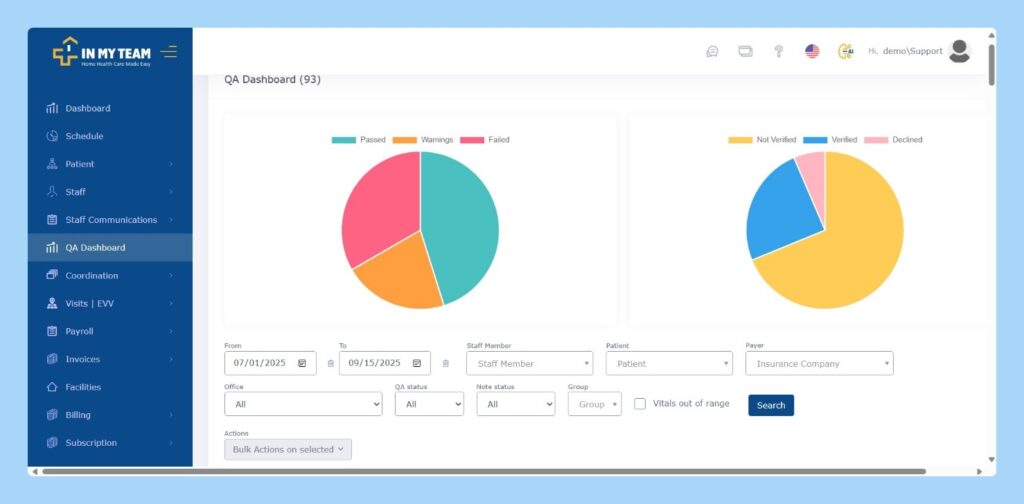
Digital documentation significantly enhances data accuracy in home care settings. Manual entries often lead to errors, but digital solutions minimize these risks. Automatic data validation ensures that information is accurate before submission.
Digital systems improve accessibility, enabling seamless data sharing. Care providers can access patient records anytime, from anywhere. This capability ensures timely and informed care decisions, which is crucial in emergencies.
Centralizing patient data in electronic health records simplifies searching for specific details. Care teams can quickly find the information they need, streamlining patient evaluations and treatments. This leads to faster and more efficient care delivery.
Some key benefits of digital documentation for data accuracy and accessibility include:
• Reduced Errors: Automated checks improve precision.
• Easy Retrieval: Quick access to necessary information.
• Real-Time Updates: Current data for accurate assessments.
• Secure Access: Safeguarded information for privacy and compliance.
Overall, digital documentation enhances care quality. Accurate, accessible data leads to better-informed decisions, directly impacting patient outcomes.
Compliance, Security, and Data Protection in Digital Documentation
Compliance with healthcare regulations is essential in home care. Digital documentation systems offer robust solutions to meet these requirements. They streamline regulatory compliance by maintaining accurate and timely records.
Home care digital documentation also enhances data security. This is achieved through encryption and secure access controls. These features protect sensitive patient information from unauthorized access or breaches.
Digital systems offer thorough audit trails. They track changes and access to data, ensuring transparency and accountability. This is crucial in maintaining trust with patients and regulatory bodies.
Key security features of digital documentation include:
• Encryption: Protects data in storage and transit.
• Access Controls: Limits data access to authorized users only.
• Audit Trails: Records all data interactions for transparency.
• Automatic Backups: Ensures data is recoverable in case of loss.
Ultimately, digital documentation safeguards sensitive information. This not only meets regulatory standards but also builds confidence among healthcare professionals and patients. Such security measures are fundamental in the realm of home care.
Improving Communication and Care Coordination
Efficient communication is vital in home care. Digital documentation systems greatly enhance this aspect by ensuring everyone is on the same page. Real-time information sharing bridges gaps between care team members.
Home care digital documentation supports coordinated care through centralized data. All team members can view patient updates simultaneously. This unity leads to synchronized care plans, reducing redundancy and errors.
The integration of digital tools also facilitates collaboration with other healthcare providers. Hospitals and clinics can access necessary home care details, improving continuity of care and patient outcomes.
Some ways digital documentation enhances communication and coordination include:
• Unified Records: Shared access to patient histories.
• Consistent Updates: Timely changes reflected immediately.
• Efficient Messaging: Direct communication among care team members.
• Collaborative Planning: Coordinated approaches to patient care.
In conclusion, digital documentation fosters better teamwork. Improved communication and coordination directly enhance the quality of care provided to patients.
Cost Savings and Resource Optimization
Home care digital documentation plays a significant role in reducing costs. It optimizes resource usage, eliminating inefficiencies caused by paper-based processes. This transition translates into immediate savings on paper, printing, and storage.
Digital documentation minimizes administrative overhead. Automating repetitive tasks frees up staff for more critical duties. As a result, caregivers can focus more on direct patient care, enhancing productivity.
Resource optimization doesn’t stop at paperwork reduction. Digital tools streamline scheduling and task management. This ensures optimal staff utilization, reducing downtime and resource waste.
Key cost-saving features of digital documentation include:
• Automated Billing: Reduces manual errors and accelerates payments.
• Task Automation: Frees staff from repetitive chores.
• Efficient Scheduling: Maximizes caregiver time allocation.
• Reduced Storage Needs: Saves physical space and costs.
Ultimately, these efficiencies lead to measurable financial benefits. Digital documentation provides both immediate and long-term value, allowing for better allocation of resources in home care settings.
Impact on Patient Outcomes and Satisfaction
Home care digital documentation significantly influences patient outcomes and satisfaction. With quick access to accurate data, caregivers can make better-informed decisions. This ensures more effective and timely interventions, enhancing patient care quality.
Digital documentation allows for personalized care. Tailored care plans can be easily updated, aligning with patient needs and preferences. This flexibility leads to improved patient engagement and trust in the care process.
Patient satisfaction often hinges on communication. Digital systems facilitate seamless sharing of information among care teams. This ensures patients receive consistent and coordinated care without unnecessary delays.
Benefits to patient outcomes and satisfaction include:
• Timely Interventions: Quick decision-making improves health outcomes.
• Personalized Care Plans: Adapts to patient-specific needs.
• Improved Communication: Enhances patient understanding and compliance.
• Coordinated Care: Reduces misunderstandings and care gaps.
Overall, digital documentation transforms home care delivery, leading to better patient experiences and improved care outcomes.
Overcoming Challenges in Implementing Digital Documentation
Implementing digital documentation in home care presents several challenges. Transitioning from paper-based systems requires significant effort. Initial investments in technology and training can be substantial. However, the long-term benefits far outweigh these initial hurdles.
Resistance to change is a common barrier. Staff may feel apprehensive about new technology. Providing comprehensive training is essential. This helps caregivers become comfortable with new systems and processes, reducing apprehension.
Another challenge is ensuring data security. Protecting patient data is paramount. Secure digital platforms with robust encryption safeguard sensitive information. This builds trust with patients while complying with regulations.
Integration with existing systems can pose difficulties. Seamless connectivity across platforms is vital. Ensuring interoperability helps create a cohesive information flow.
Key strategies to overcome challenges include:
• Thorough Training: Reduce resistance and ease the transition.
• Strong Security Protocols: Protect patient data effectively.
• Interoperability Solutions: Connect systems smoothly.
Addressing these challenges diligently leads to successful digital documentation integration in home care settings, enhancing overall efficiency.
Best Practices for Successful Adoption of Home Care Digital Documentation
Adopting digital documentation in home care requires careful planning and execution. Start by assessing organizational needs and current workflows. This ensures the technology chosen aligns with operational goals.
Involve stakeholders early in the decision-making process. Engaging caregivers, administrators, and IT professionals fosters collaboration. Their input helps in customizing solutions to suit real-world applications.
Providing ongoing training is crucial. As the system evolves, continuous learning ensures all users remain proficient. Empowering staff with knowledge enhances confidence and effectiveness.
Evaluate performance and gather feedback regularly. This helps identify areas for improvement and fine-tuning. Continuous assessment leads to optimized operations and greater satisfaction.
Consider these best practices:
• Stakeholder Involvement: Encourage participation in technology selection.
• Tailored Training: Focus on comprehensive, ongoing education.
• Continuous Feedback: Regularly review system effectiveness.
By implementing these practices, home care agencies can efficiently transition to digital documentation, resulting in improved care delivery and organizational success.
The Future of Home Care: Trends in Digital Documentation and Technology
The future of home care is bright with digital advancements. Innovations drive efficiency and transform care delivery. Emerging technologies promise to revolutionize documentation processes.
Artificial intelligence and machine learning offer predictive capabilities. These tools anticipate patient needs, enhancing personalized care. Automation can handle routine tasks, freeing time for caregivers.
Moreover, integration with telehealth expands care access. Patients benefit from remote consultations, monitoring, and data sharing. This ensures continuity even when in-person visits are not possible.
A few key trends to watch include:
• AI and Machine Learning: Enhance predictive care planning.
• Telehealth Integration: Enable remote patient care and data access.
• Blockchain Technology: Improve security and data integrity.
As these trends evolve, they will redefine home care. The integration of innovative technologies will streamline operations, boost efficiency, and ensure higher-quality patient care. Providers must stay informed and adapt to leverage these developments effectively.
How InMyTeam Elevates Documentation and Efficiency
When home care agencies adopt robust digital-documentation workflows, systems like InMyTeam become a game-changer. Here’s how:
1. One unified platform for documentation, forms and visits
InMyTeam creates a single, cloud-based hub where assessments, caregiver notes, service authorizations, visit logs and more are stored and managed. You can “upload your own forms … schedule recurrent assessments … Nurse portal with online form-filling … digital signature” all within one system.
This reduces the need to juggle spreadsheets, binders or separate apps, meaning fewer errors, less time wasted on manual tracking, and more consistent documentation.
2. Real-time, mobile-friendly visit verification and compliance
Because caregivers in the field often handle documentation on the go, InMyTeam’s mobile app supports EVV (Electronic Visit Verification), telephonic clock-in/out, GPS map integration, and the ability to complete notes and forms right from their device.
This helps reduce delays between care delivery and documentation, improves accuracy, and increases agency compliance readiness, all of which tie directly into improved operational efficiency.
3. Automated compliance alerts & documentation readiness
Maintaining compliance with visitor logs, caregiver credentials, certifications and state-mandated documentation is a constant burden. InMyTeam automates this by tracking caregiver certifications, sending reminders, and managing onboarding and credentialing workflows digitally.
By automating these processes, agencies can reduce the administrative overhead of manual tracking and audits, freeing up staff time for care-related tasks.
4. Streamlined reporting and billing tied to documentation
Digital documentation isn’t an end in itself, it must tie into schedule management, billing and analytics. InMyTeam offers features such as billing integration with state aggregators, visit-verification linked to payroll and payroll export, and reporting that gives agency owners visibility into visits, documentation completeness, compliance and claims status.
When documentation is digitized and structured, and connected directly to billing and scheduling, agencies can move from reactive record‐keeping to proactive operational management, thereby improving throughput, reducing claim-denials and boosting financial performance.
5. Supports growth and scale with minimal process disruption
As agencies grow, the volume of documentation, visits and staff can multiply, and so do the risks of process breakdowns. InMyTeam positions itself as “the easy and effective platform for your agency… built to streamline operations and boost efficiency.”
By adopting one platform for documentation + scheduling + HR + compliance, agencies can avoid the typical “too many tools” trap, enabling standardized workflows, better training of new staff, and clearer accountability.

Conclusion: Embracing Digital Transformation in Home Care
Digital transformation is pivotal for the future of home care. By adopting electronic health records and innovative software like InMyTeam, providers can deliver more efficient and effective services. These technologies streamline workflows, enhance communication, and improve patient satisfaction.
Implementing digital documentation requires a commitment to change. It involves training, investment, and a willingness to adapt. However, the benefits of improved accuracy, coordination, and compliance outweigh the challenges.
Home care providers who embrace digital tools will lead the industry. They will deliver superior care and achieve better patient outcomes. Embracing these digital solutions is not just advantageous; it is essential for future success